
7 Winter Garden Problems Every Homeowner Should Look Out For
Winter can be tough on outdoor spaces. Here are the seven most common winter garden problems, how to spot them early and simple steps to keep your garden in good shape until spring.
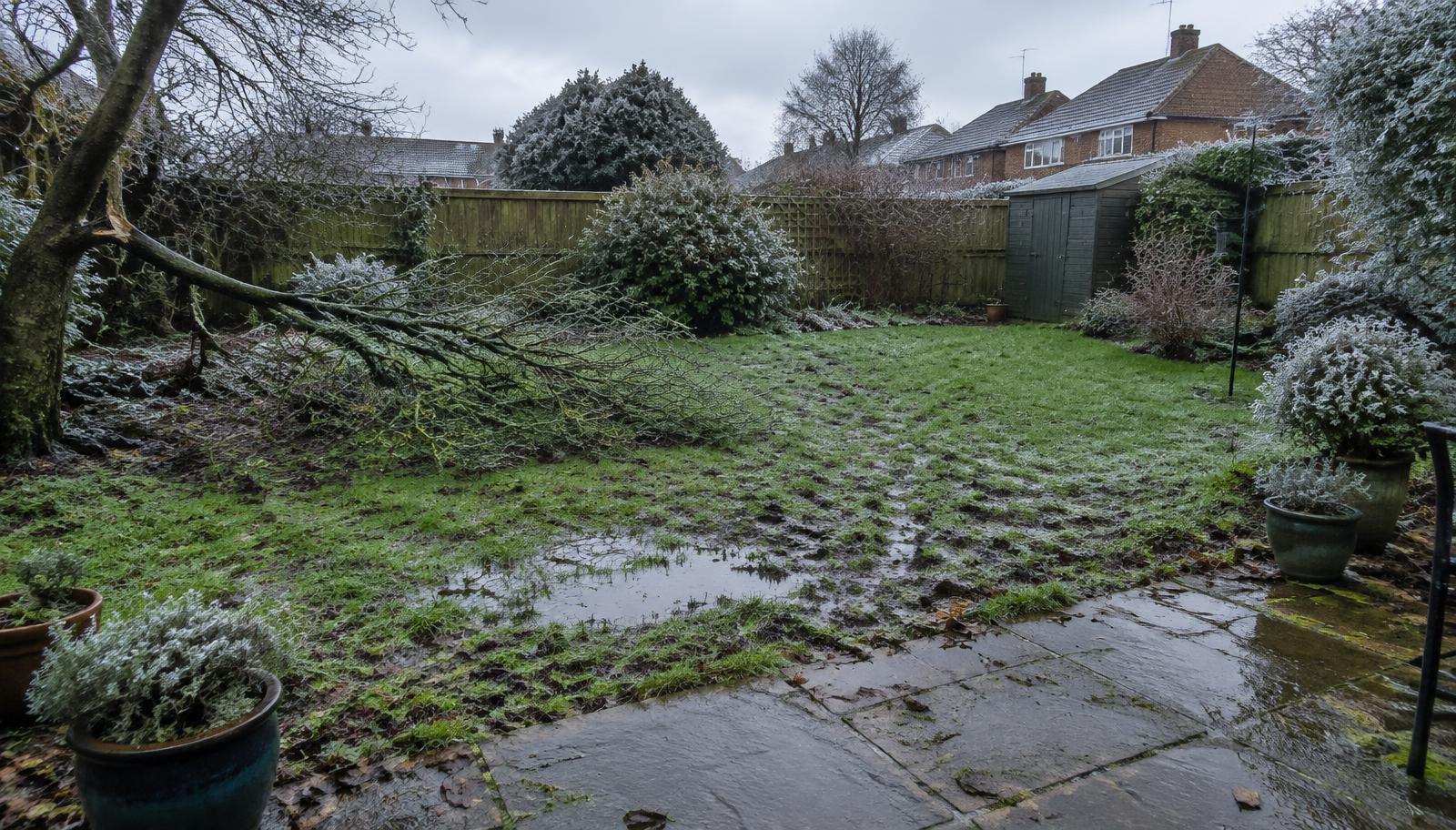
Why Winter Is Hard on Your Garden
When the weather turns cold and wet, most of us spend far less time outdoors. It's easy to close the back door and forget about the garden until spring — but winter is often when the most damage happens.
Heavy rain, frost, strong winds and short days all take their toll. Small problems that go unnoticed in December can turn into bigger, more expensive jobs by March.
The good news is that most winter garden problems are easy to spot if you know what to look for. Here are seven of the most common ones, along with practical tips on how to deal with them.
1. Waterlogged Lawns
After weeks of heavy rain, many lawns become saturated. Water sits on the surface, the ground turns soft and muddy, and grass roots struggle to get the air they need. Walking on a waterlogged lawn compacts the soil even further, which makes drainage worse and can leave bare, muddy patches.
Simple ways to reduce the damage:
- Keep off the lawn as much as possible while it's wet or frozen.
- Lay down stepping stones or boards on routes you use often, such as to a shed or bin.
- Clear leaves from the grass so the surface can dry out.
- Once conditions improve, aerating the lawn helps water drain away more easily.
If the same areas flood every winter, it may point to compacted soil or a drainage issue. Professional lawn care can help improve the condition of your lawn before spring.
2. Frost Damage
Freezing temperatures can damage plants, flowers and shrubs — especially newer plants, potted plants and more delicate varieties. Frost can cause leaves to blacken, stems to split and roots in containers to freeze.
Simple ways to protect your garden from frost:
- Move potted plants closer to the house or into a sheltered spot.
- Cover delicate plants with horticultural fleece on very cold nights.
- Raise pots off the ground with pot feet to stop them sitting in icy water.
- Avoid walking on frosty grass, as it can leave brown footprints.
- Don't cut back frost-damaged growth straight away — it can protect the plant until spring.
3. Broken or Damaged Branches
Strong winter winds, heavy rain and frost can all weaken branches. Some snap completely, while others crack and hang loose — which can be dangerous if they're above paths, fences, cars or play areas.
After a storm, take a walk around your garden and look for split, hanging or leaning branches. Small fallen twigs can be cleared away easily, but larger or high branches are a different matter.
Never climb ladders in wet or icy conditions to reach damaged branches. If a branch looks unsafe or is too big to handle comfortably, it's best to leave it to someone with the right equipment and experience.
4. Slippery Paths and Patios
Damp, shady conditions in winter are perfect for moss and algae. Combined with wet leaves and mud, this can turn patios, paths, steps and decking into slip hazards.
Practical tips to keep outdoor surfaces safer:
- Sweep leaves and debris off paths and patios regularly.
- Use a stiff brush to remove moss and algae from paving and steps.
- Cut back overhanging plants that keep surfaces shaded and damp.
- Check decking boards for green, slippery patches and clean them when dry.
Keeping on top of these jobs little and often is much easier than tackling a thick layer of moss in spring.
5. Dead or Damaged Plants
Not every plant makes it through winter unscathed. Cold, wet weather can leave borders looking tired, with brown leaves, collapsed stems and soggy growth.
Removing clearly dead material helps keep borders looking tidy and reduces the chance of rot and disease spreading. That said, not everything needs cutting back — some seed heads and stems provide shelter for wildlife and protection for the plant itself.
If you're unsure, wait until early spring to see what shows signs of new growth before removing anything.
6. Blocked Drains and Garden Areas
Fallen leaves, twigs and garden debris can quickly build up in drains, gullies, gutters and low points in the garden. When water can't get away, it collects as standing water and can lead to localised flooding on patios, lawns and paths.
Simple steps to prevent blockages:
- Clear leaves from drain covers and gullies regularly during autumn and winter.
- Keep the base of fences and walls free from piled-up debris.
- Don't leave bags or heaps of garden waste where water usually drains.
- Look out for areas where water collects after rain — they may need attention.
7. Overgrown Hedges, Trees and Gardens
With the leaves gone, winter is actually one of the best times to see the true shape of your garden. Overgrown hedges, crowded shrubs and neglected corners are far easier to spot.
This makes it the ideal time to plan ahead. Think about which areas need hedge trimming, which parts of the garden need clearing, and whether you'd like any landscaping or fencing work done before spring.
Booking larger jobs during the quieter winter months means your garden is ready to enjoy as soon as the weather improves.
How JE Gardening Services Can Help
Many of these jobs are simple enough to handle yourself. But if you're short on time, aren't comfortable working in cold and wet conditions, or your garden has simply got away from you, we're happy to help.
Our team works with homeowners across Essex all year round, including through the winter months. We can help with:
- Garden maintenance — regular visits to keep everything tidy and under control
- Lawn care — mowing, edging and helping lawns recover from winter
- Garden clearances — removing overgrowth, leaves and green waste
- Hedge trimming — shaping and tidying hedges and shrubs
- Tree and branch maintenance — dealing with fallen or damaged branches
- Fencing — repairing or replacing storm-damaged panels and posts
- Landscaping — planning improvements for the year ahead
- General garden tidy-ups — one-off visits to get things back on track
Whatever the size of the job, we'll give you honest advice and a clear, free quote with no obligation.
Get Ahead of Winter Garden Problems
Winter doesn't have to undo all the hard work you've put into your garden. By keeping an eye out for waterlogged lawns, frost damage, broken branches, slippery surfaces, dead plants, blocked drains and overgrown areas, you can stop small issues from becoming bigger ones.
A little winter garden maintenance now means less work — and a much better-looking garden — when spring arrives. Explore our garden maintenance services, garden clearances and fencing, or get a free quote today.
Frequently asked questions
What are the most common winter garden problems?
The most common are waterlogged lawns, frost damage, broken branches, slippery paths and patios, dead plants, blocked drains and overgrown hedges or borders.
Should I walk on my lawn in winter?
Try to avoid it when the lawn is waterlogged or frosty, as it compacts the soil and damages the grass. Use stepping stones for regular routes.
Is winter a good time for hedge trimming and garden clearances?
Yes. Without leaves it's easier to see what needs doing, and getting overgrown areas under control in winter means your garden is ready for spring.
Do you offer winter garden maintenance in Essex?
Yes. JE Gardening Services provides garden maintenance, lawn care, clearances, hedge trimming, fencing and tidy-ups across Essex all year round. Contact us for a free quote.
Related articles

10 Ways Professional Gardening Services Can Transform Your Outdoor Space
Discover how expert garden maintenance and landscaping can improve your outdoor space, increase your home's kerb appeal, and create a garden you can enjoy all year round.
Read article →
10 Signs Your Garden Needs Professional Attention
A healthy, well-maintained garden enhances your home's appearance. Learn the warning signs that it's time to call in the professionals.
Read article →
Summer Garden Maintenance Tips: Keep Your Garden Looking Its Best All Season
Warm weather means faster growth, drier lawns and more weeds. Here are our practical summer tips to keep your garden healthy and beautiful all season.
Read article →
Why Hire a Professional Gardener Instead of DIY?
Discover why professional gardening services can save you time, improve your garden's health, and create outdoor spaces you can truly enjoy.
Read article →
Lawn Care Tips for Every Season
Healthy lawns need different care throughout the year. Discover seasonal lawn care advice to keep your garden looking its best in every season.
Read article →
How Often Should You Maintain Your Garden?
Discover how often your garden needs attention and learn which maintenance tasks should be completed weekly, monthly, and seasonally.
Read article →
How to Prepare Your Garden for Autumn
As summer comes to an end, your garden starts to change. Discover practical ways to prepare your garden for autumn and keep it tidy through the colder months.
Read article →
How to Make Your Garden More Enjoyable All Year Round
A garden should be more than just an outdoor space. Discover how to create an attractive, practical, and enjoyable garden throughout every season.
Read article →
How to Keep Your Garden Looking Great During Winter
Cold weather, rain and wind take their toll. Here are simple winter maintenance tips to keep your garden tidy, healthy and ready for spring.
Read article →Get a Free Quote
Worried about your garden this winter? JE Gardening Services can help with maintenance, clearances, hedge trimming, fencing and tidy-ups across Essex. Get in touch for a free, no-obligation quote.